
How to Keep Moss From Coming Back After Treatment
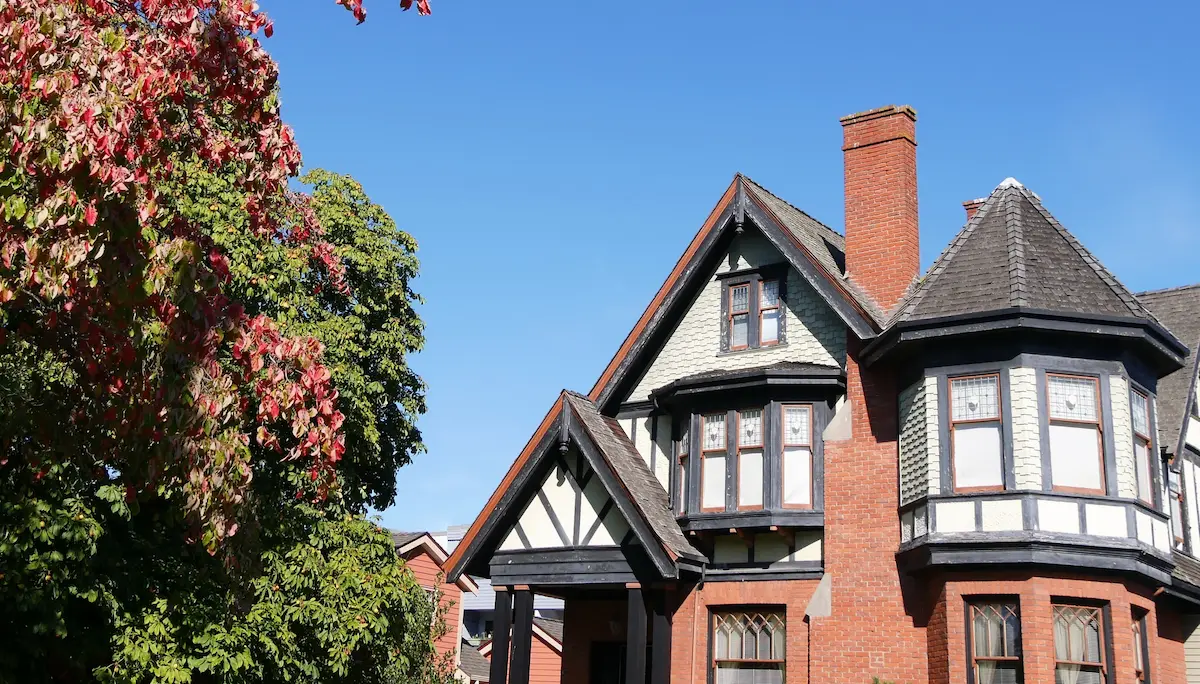
If we’ve treated your roof recently, you already know the difference a clean, moss-free roof makes. The question we hear most often afterwards is a fair one: how do I keep it this way?
Here’s the honest answer. On southern Vancouver Island, moss always tries to come back. Our climate practically invites it. However, there’s a real difference between a roof that re-mosses in a year and one that stays clean for years at a time, and most of that difference comes down to a handful of prevention habits, plus a sensible maintenance schedule.
After 40+ years of removing moss from Greater Victoria roofs, we’ve seen what works and what doesn’t. This post covers both.
Why Moss Comes Back on Vancouver Island Roofs
Moss is a simple plant with simple needs: moisture, shade, and a surface to grip. Victoria delivers all three for most of the year. Long wet winters keep shingles damp for months, mild temperatures mean moss grows happily through seasons when other plants go dormant, and our tree cover, beautiful as it is, keeps large sections of many roofs in shade.
Moss spreads by spores that travel on the wind, so even a perfectly cleaned roof is constantly being re-seeded from nearby trees, neighbouring roofs, and gardens. According to Oregon State University Extension, which studies moss in the same Pacific Northwest climate we share, no amount of cleaning will keep moss away permanently if the conditions around the roof don’t change: shade and trapped moisture will bring it back.
That’s why we tell every customer the same thing: treatment removes the moss, but prevention is about managing the conditions. Here’s how to do that.
How to Remove Moss From a Roof Naturally — and Keep It Off
If you’re researching how to remove moss from a roof naturally, the good news is that the gentlest methods are also the most effective ones. A few options, reviewed honestly:
Hand removal. This is what we do, and it’s what university extension services recommend too; OSU Extension advises removing moss with a brush rather than a pressure washer, which strips the protective granules off asphalt shingles and shortens the roof’s life. We remove moss by hand, never with pressure washing, for exactly that reason.
Non-toxic treatments. After physical removal, a treatment helps kill remaining growth and slow regrowth. We use a non-toxic treatment that’s safe for pets and gardens. If you’re applying anything yourself between visits, Health Canada recommends using only registered products, following the label exactly, keeping pets off treated areas until dry, and warns against homemade mixes, which are untested for both safety and effectiveness.
Zinc strips. Metal strips installed near the ridge release small amounts of zinc when rain washes over them, which discourages moss in the band directly below. They can help, but they’re not a complete answer: the effect weakens further down the roof slope, larger roofs need multiple strips, and they do nothing for moss that’s already established. Think of them as a supporting player, not a solution.
Vinegar, baking soda, and other home remedies. These come up a lot. Results are inconsistent, runoff can harm garden plants below, and they don’t address the conditions causing the moss. We’d rather you spend that effort on the prevention steps below.
Trimming, Sunlight and Airflow: The Best Roof Moss Prevention
The single most effective moss prevention measure doesn’t involve the roof at all; it involves the trees around it. OSU Extension calls letting more sunlight reach the roof the most effective long-term solution, and our experience across 10,000+ Greater Victoria clients backs that up completely.
Practical steps worth taking:
- Trim back overhanging branches. Any branch shading the roof, especially on the north side, is growing moss for you. More sun means a drier roof, and a drier roof grows less moss.
- Keep the roof clear of debris. Fir needles, leaves and twigs trap moisture against shingles and break down into the thin layer of organic matter moss loves to root into. A seasonal clearing makes a real difference.
- Clean your gutters. Overflowing gutters keep roof edges wet and feed moss along the eaves.
- Improve airflow where you can. Dense shrubs and hedges right against the house slow drying after rain. A little breathing room helps the whole roofline dry faster.
None of this eliminates moss in our climate. Nothing does. But these steps meaningfully stretch the time between treatments.
What the 1–2 Year Maintenance Guarantee Covers
Prevention slows moss down; it doesn’t stop it. That’s why our service is built around a maintenance cycle rather than a one-time fix. Every treatment we do is backed by a 1–2 year maintenance guarantee. This is our answer to the simple reality that Island moss keeps trying.
The idea is straightforward: instead of waiting for moss to fully re-establish and paying for a major removal again, regular maintenance visits keep regrowth from ever getting a foothold. It’s easier on your shingles, easier on your budget, and it means your roof simply stays clean. You can read more about how the cycle works on our roof moss maintenance program page.
When to Book a Re-Treatment
Watch for these signs, especially from late fall through spring when moss grows fastest here:
- Green fuzz reappearing along shingle edges or in shaded sections
- Moss visible in the gaps between shingles, even in small patches
- Debris accumulating in roof valleys or behind chimneys
- It’s been close to two years since your last treatment
Small regrowth is quick to deal with; established moss is not. If you’re within your guarantee window, get in touch, and we’ll take care of it. If you’re not sure where you stand, our FAQs page covers the common questions, or just call us. We keep records of every job.
Roof Moss Control FAQs
Does moss removal last?
A proper hand removal and treatment keeps most roofs clean for one to two years. How long depends on shade, tree cover, and roof orientation — a sunny, open roof stays clean far longer than a shaded north-facing slope. That variability is exactly why our work comes with a 1–2 year maintenance guarantee.
Do zinc strips on a roof work?
Partially. Zinc strips discourage new moss in the area directly below them, but the effect fades down the slope, and they won’t remove existing moss. They can be a useful supplement to regular maintenance, not a replacement for it.
How often should a roof be treated in Victoria?
For most Greater Victoria homes (Victoria, Langford, Sooke, Sidney, or Colwood), every one to two years keeps moss from re-establishing. Heavily shaded roofs sit at the shorter end of that range; open, sunny roofs at the longer end.
Want your roof to stay this clean? Ask us about the maintenance program. We’ll put your roof on a schedule that matches its conditions, backed by our 1–2 year maintenance guarantee, and you’ll never have to think about moss again.